London Trip: History, Aesthetics, and Reality
@jonaszhou|July 1, 2026
In June, I attended the London Tech Week exhibition. Besides the exhibition itself, I also took some time to walk the streets of London, visiting museums and shopping malls. The character of London as a city is quite different from the tech narratives inside the exhibition halls—slower, richer, more focused on details and stories.
A Sense of History Soaked into the City's Fabric
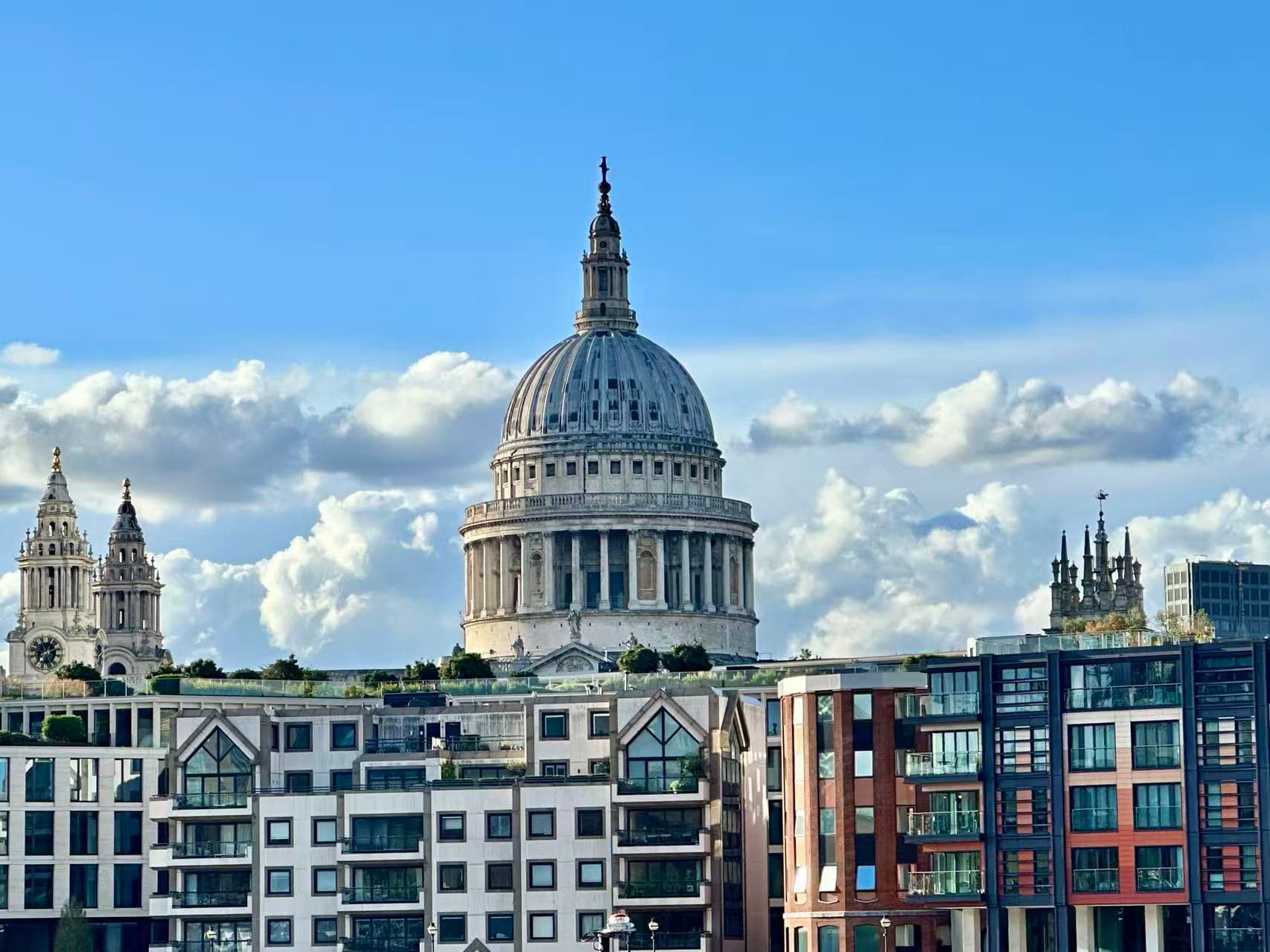
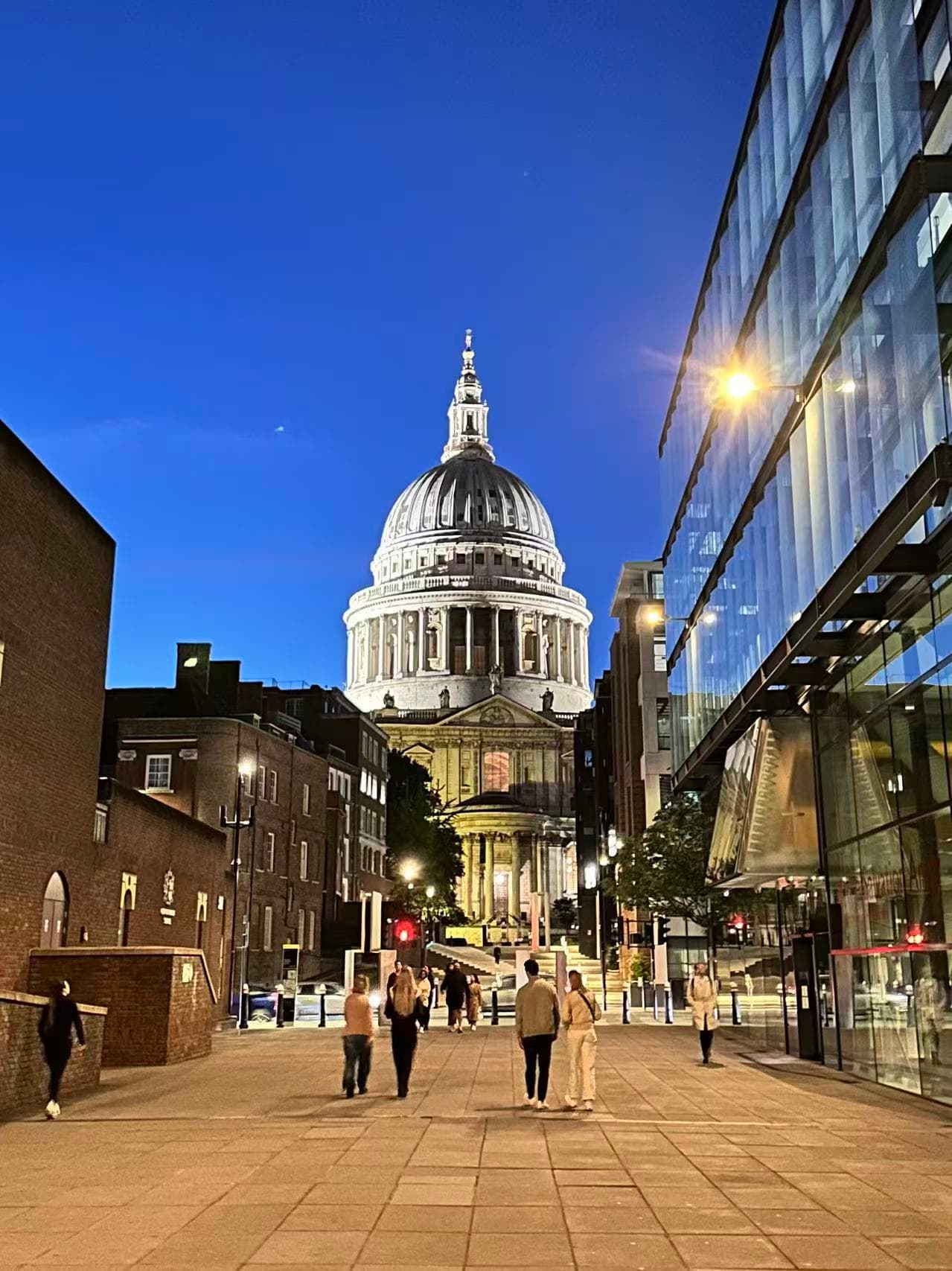
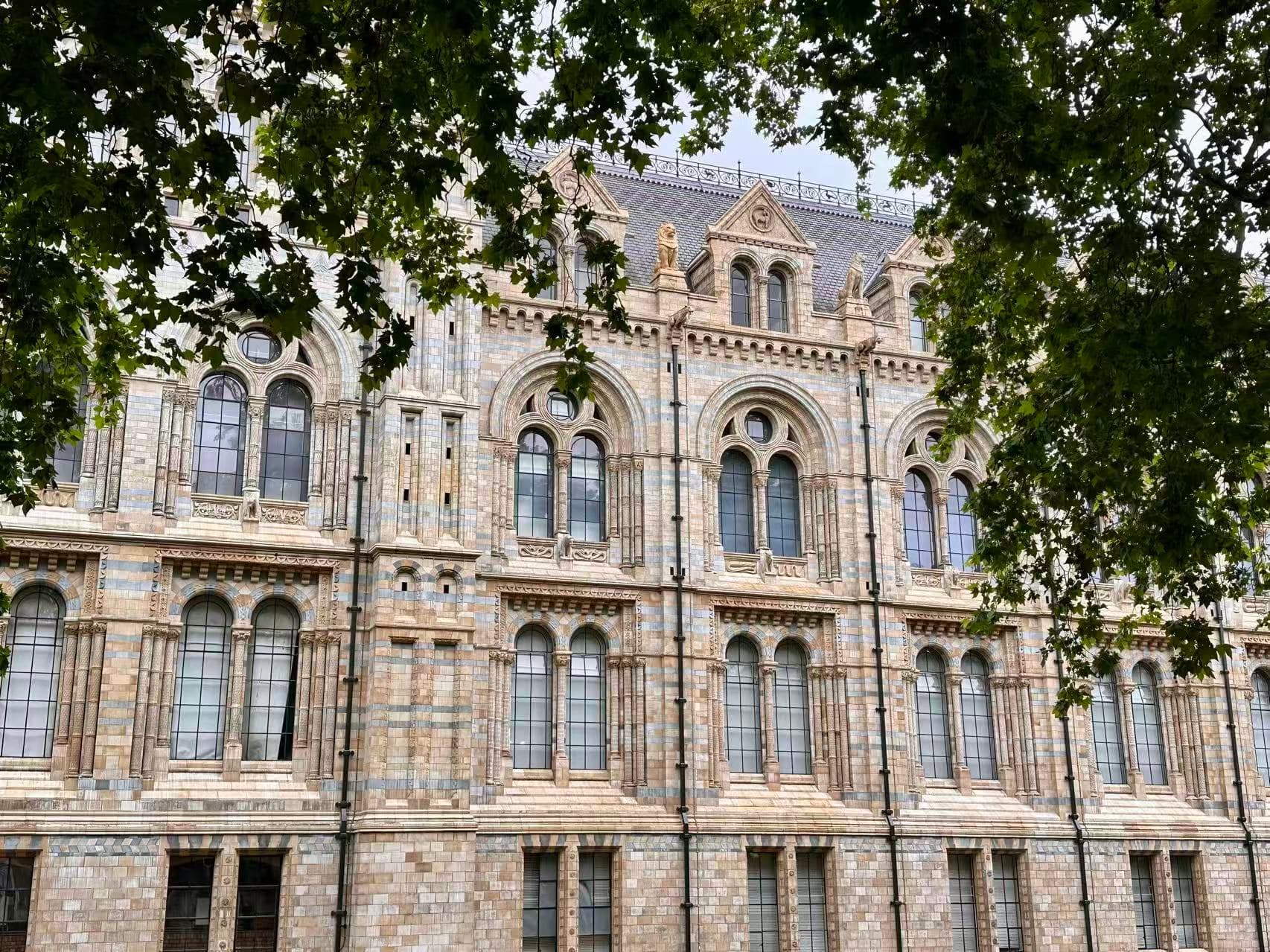
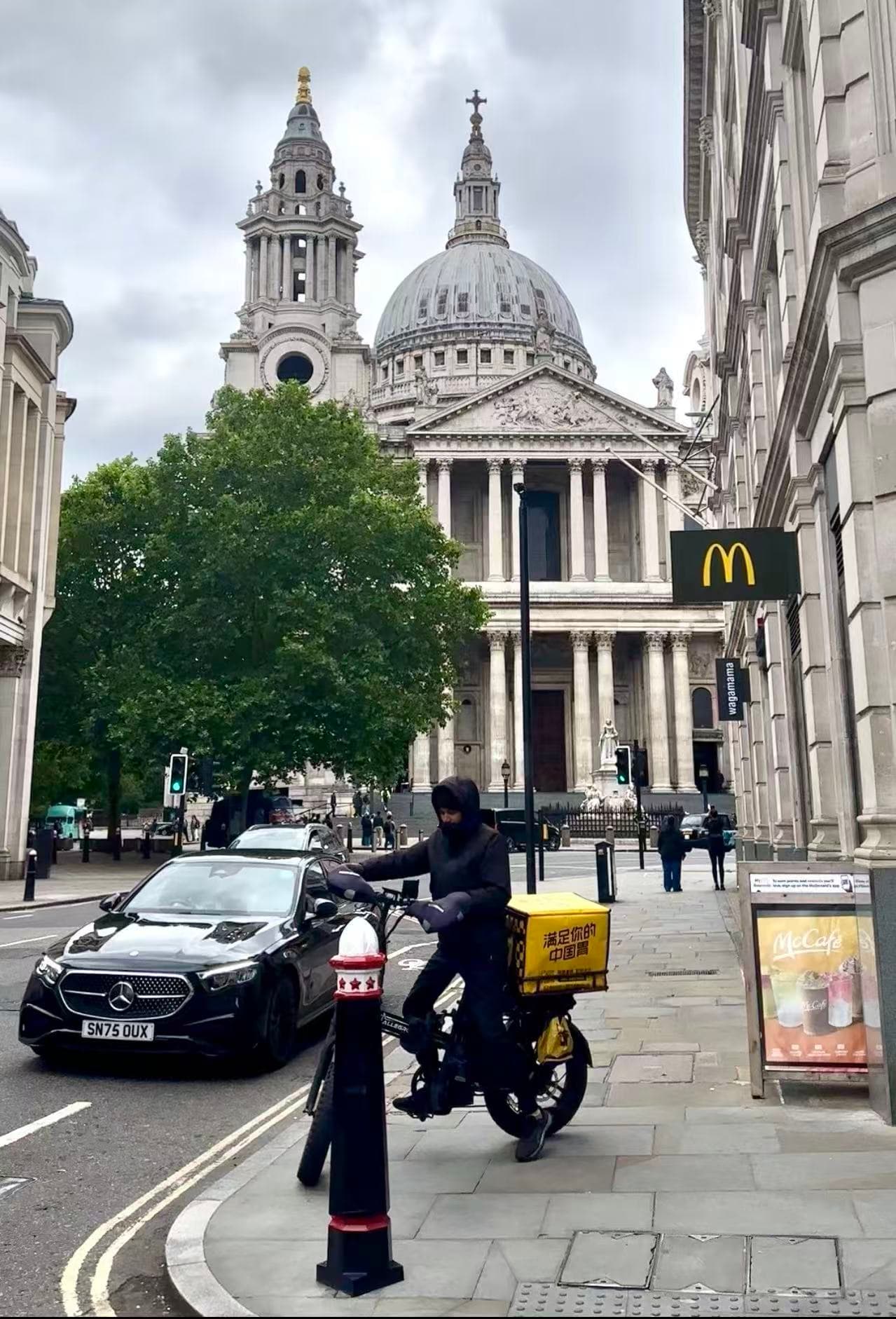
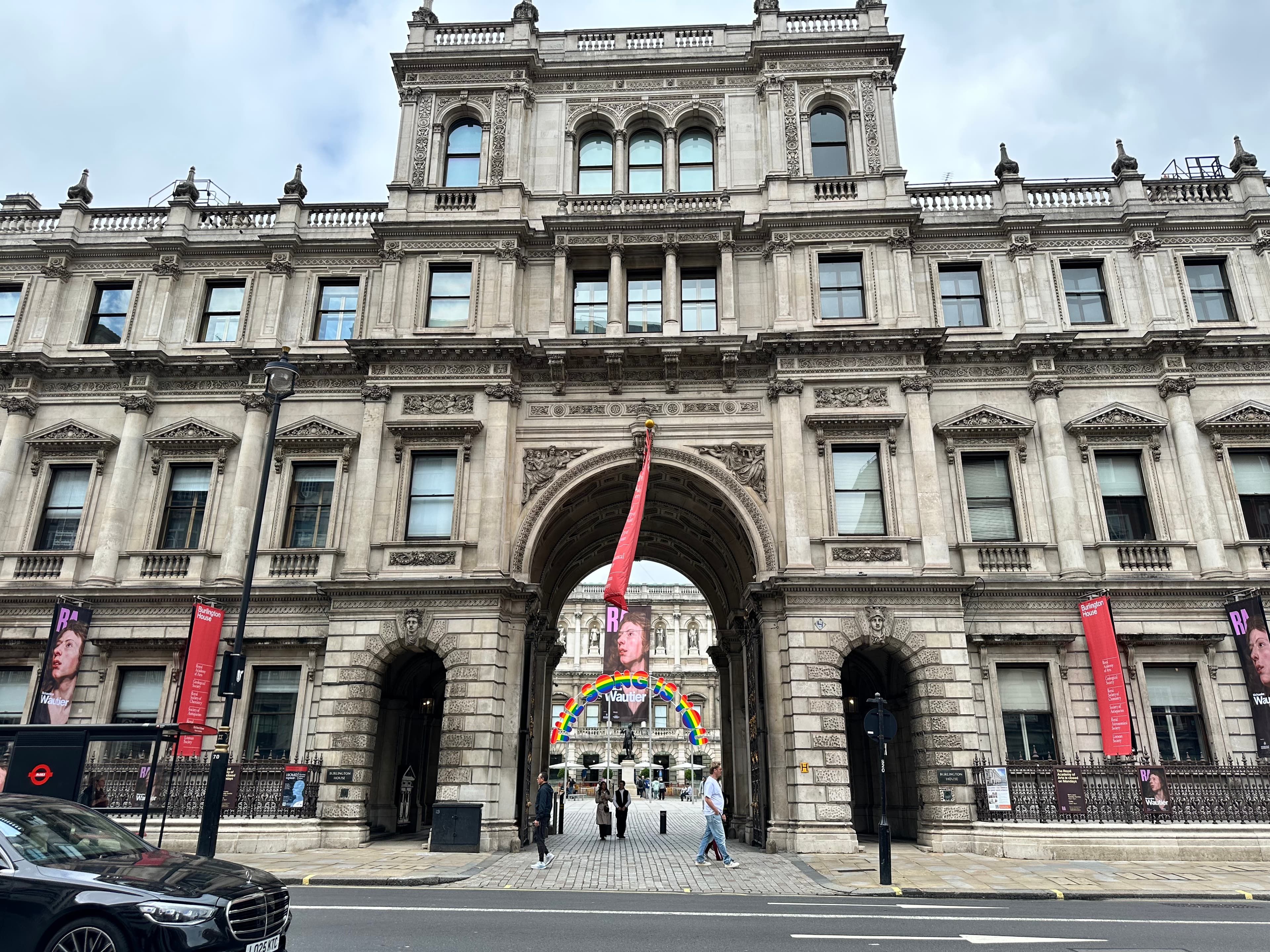
London's sense of history isn't just displayed on attraction signs; it's soaked into its streets and buildings. Walking through the city, Gothic spires, Victorian facades, and Georgian-era neighborhoods are everywhere. Old and new buildings are layered together, yet it doesn't feel chaotic. You get the sense that this city isn't just "displaying history"—it's truly living within its own history.
The Art of Nuance in Details
This attention to detail extends to the smallest everyday moments. The small restaurant attached to our hotel had waitstaff who arranged plates neatly and efficiently—they would even proactively turn the coffee cup handles toward the right side, making it easier for guests to pick them up naturally. It's nothing earth-shattering, but you can sense a long-ingrained habit: treating "making people comfortable" as the default setting, not an extra service.
The British Are Great Storytellers
If there's one soft power that left the deepest impression on me in London, it's probably "the art of storytelling"—not just in verbal expression, but in turning spaces, displays, and the products themselves into narrative vehicles.
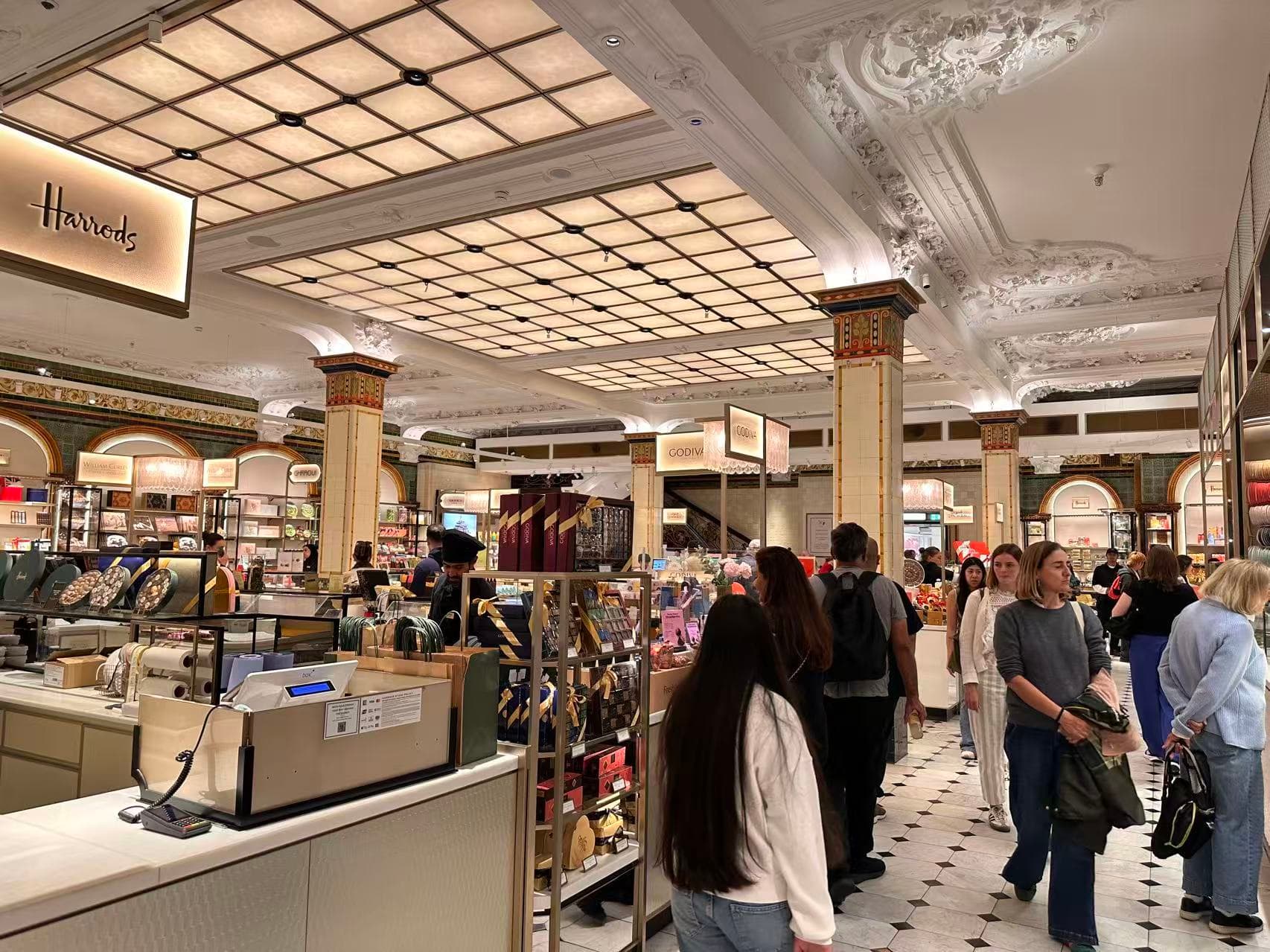
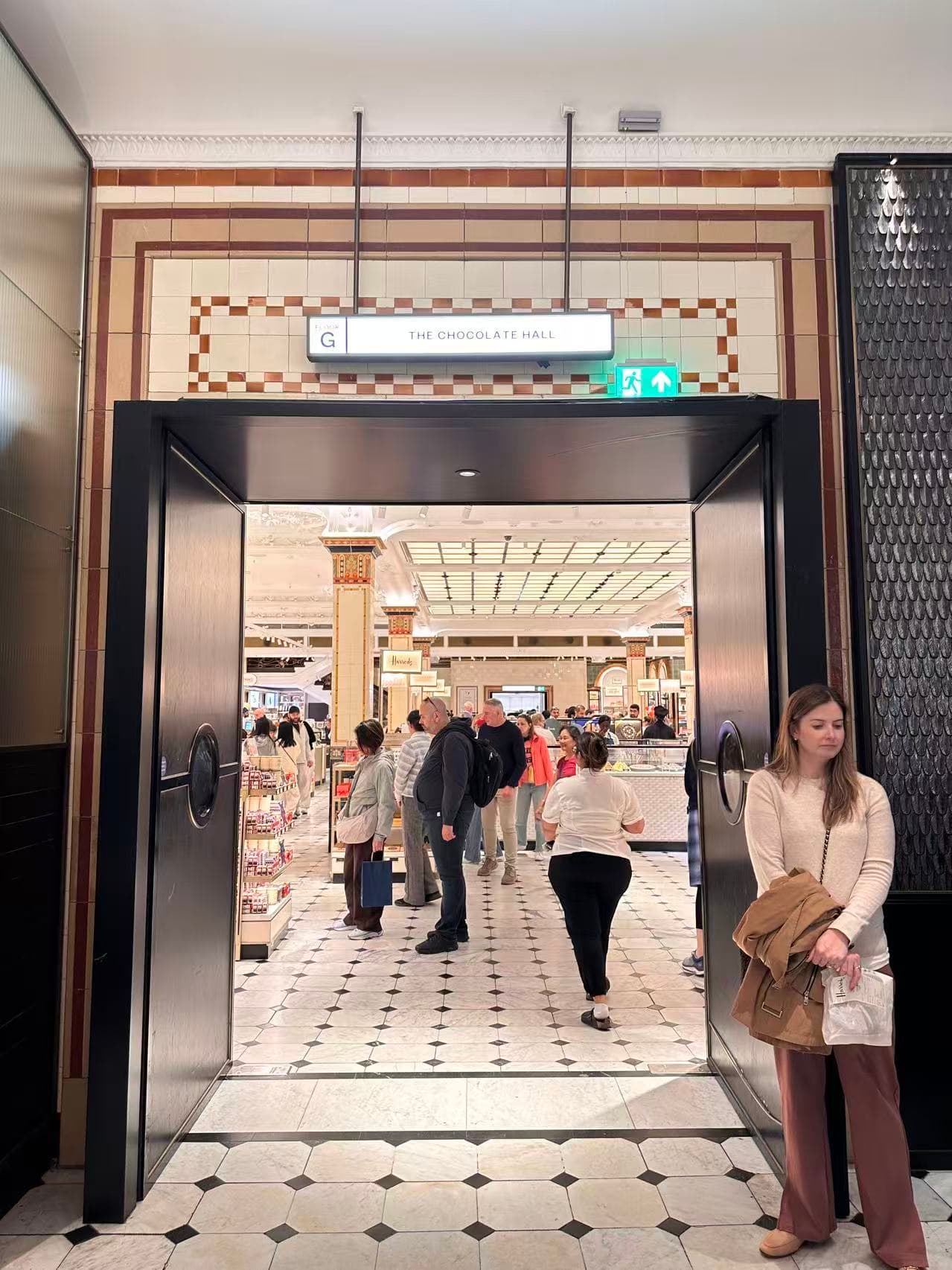
Harrods is a prime example. Each hall has its own decorative theme and atmosphere; walking in feels less like shopping in a department store and more like switching between carefully curated scenes. The merchandise isn't just displayed for sale—it tells a story about what kind of lifestyle the brand or category belongs to.
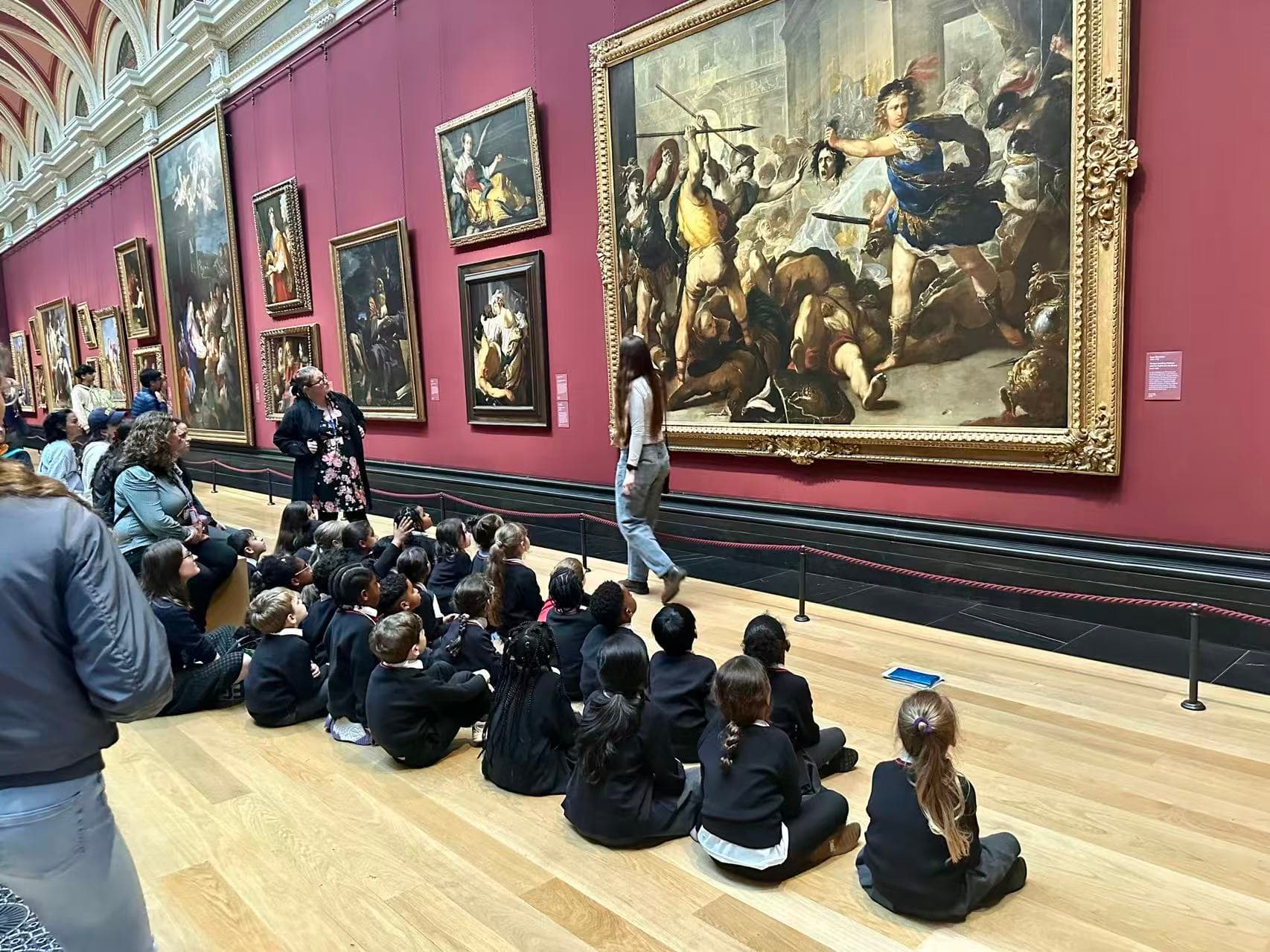
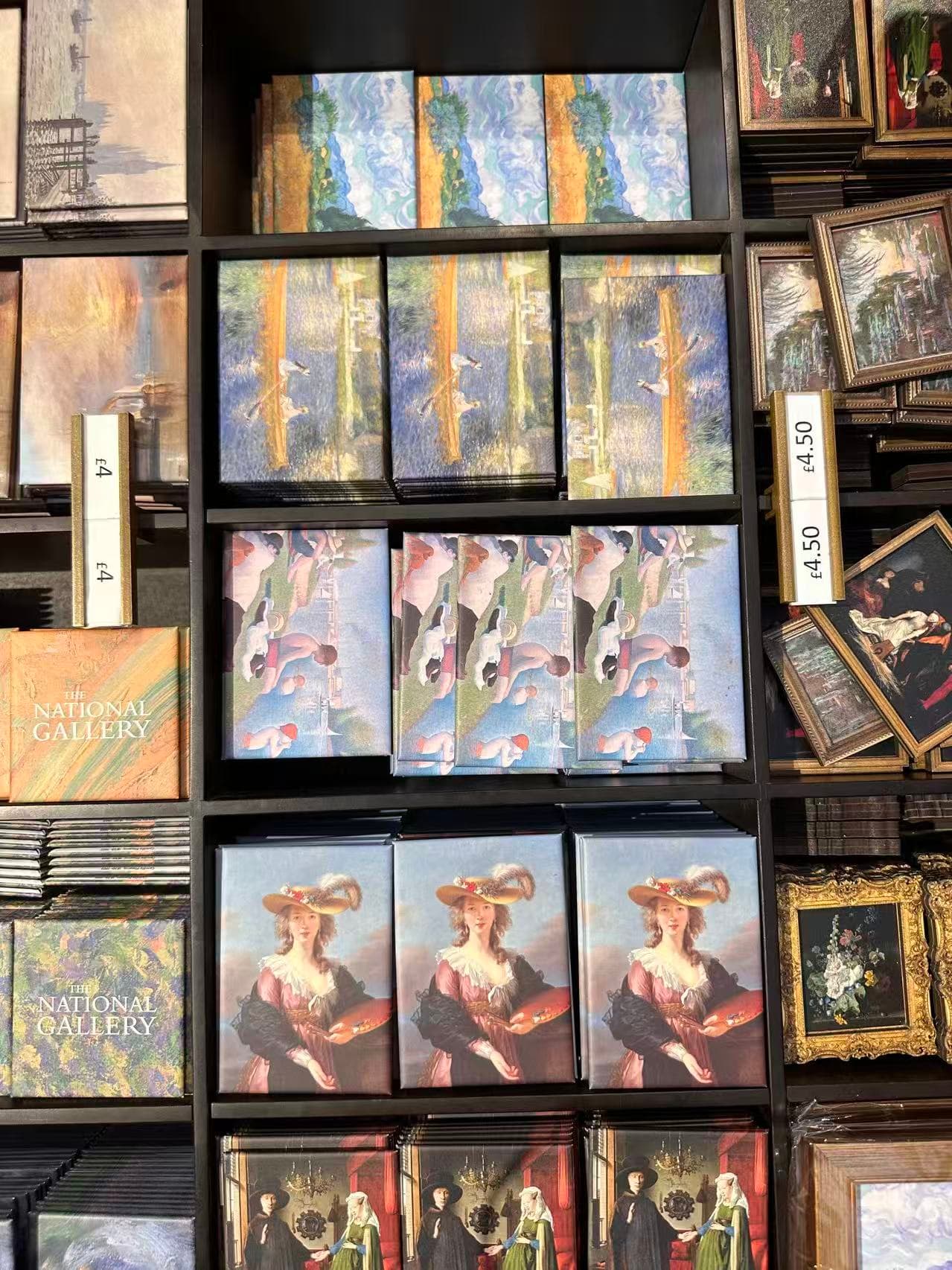
The exhibition design in museums is also meticulously considered. The National Gallery is my favorite—the building itself is exquisite both inside and out, and the collection of paintings is accompanied by clear historical context and character stories. I also saw a teacher with a class of about a dozen four- or five-year-old children, all sitting quietly on the floor in front of a painting for a lesson. At such a young age, receiving "aesthetic education" in an art museum—this habit of viewing paintings and architecture cultivated from childhood is likely part of the city's character.
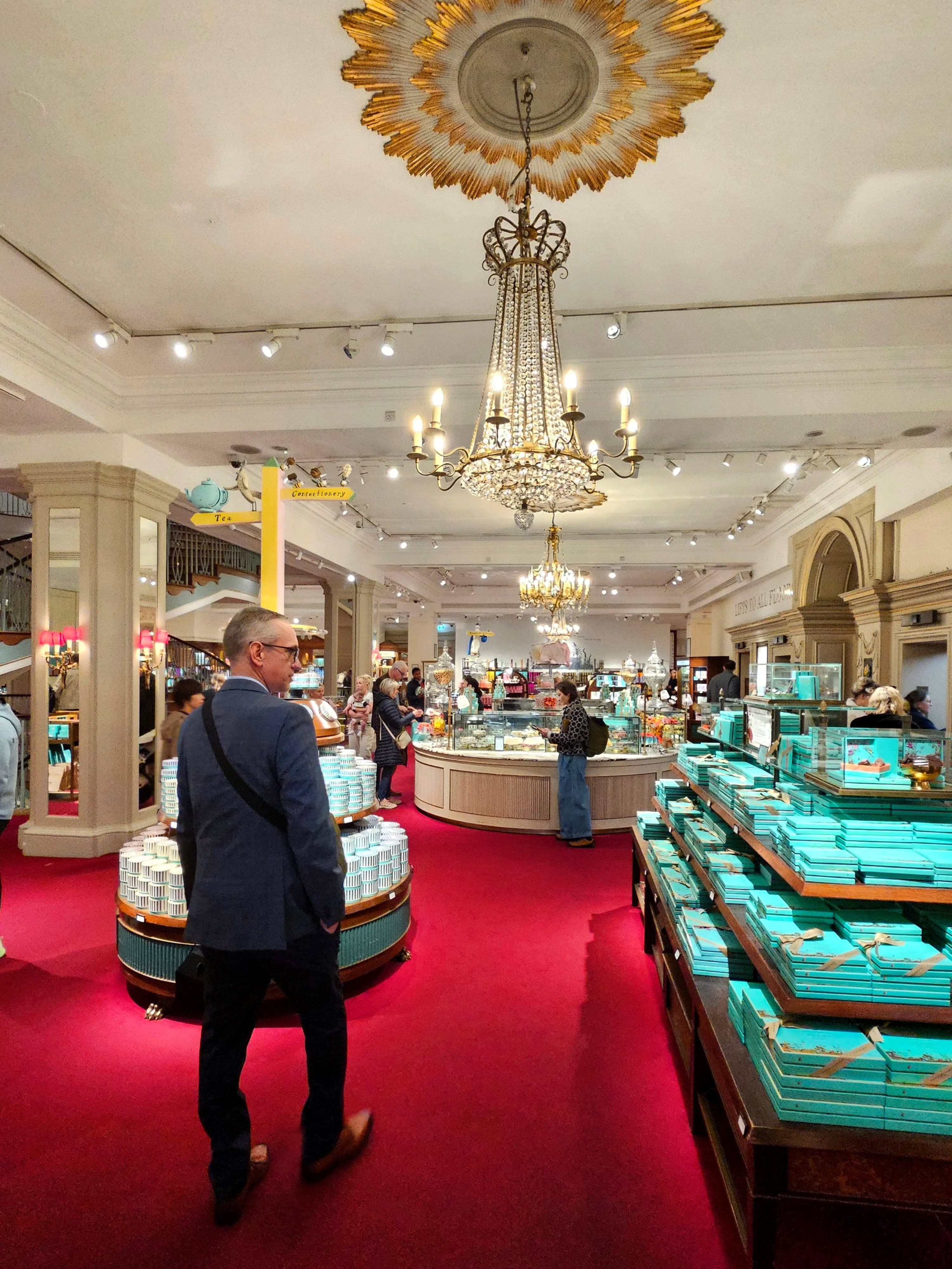
Fortnum & Mason's product packaging and store design are almost all like works of art. Tea is not just a beverage but is designed as an object that can be collected, gifted, and slowly appreciated—commerce and aesthetics are united here.
The Reality of Multicultural Inhabitation and Urban Governance
On the other hand, as an international metropolis with a multi-ethnic population, London also faces significant urban governance challenges. Public safety issues such as street pickpocketing and robbery are not uncommon, serving as a real reminder for both tourists and local residents. In comparison, the experience of public safety in major domestic cities does have a clear advantage.
This is not to disparage London—it remains a city worth seeing with your own eyes. However, if you plan to visit, it would be much safer to exercise a bit more caution, keep an eye on your belongings, and avoid high-risk times and areas.